Bank of England consults on phased RTGS and CHAPS extension to near 24x7, with Sunday settlement no earlier than 2029
The Bank of England has set out a phased roadmap to extend RTGS and CHAPS settlement hours towards near-continuous operation. Payment firms, banks, and any firm relying on same-day sterling settlement face operational and liquidity management implications. The response deadline is 10 August 2026.
 Listen on Spotify
 Add The Perimeter Report to Claude

What was published
The Bank of England published a consultation paper on 18 May 2026 proposing to extend RTGS and CHAPS settlement hours towards near 24x7 operation. The paper builds on an early morning extension confirmed in a February 2026 policy statement: from September 2027, CHAPS will open at 01:30 rather than 06:00, Monday to Friday. That change extends the daily settlement window from the current 12 hours (06:00 to 18:00) to 16.5 hours. The renewed RTGS service, RT2, was introduced in April 2025 and was designed with the technical capability to support near 24x7 operation.
The proposed phasing
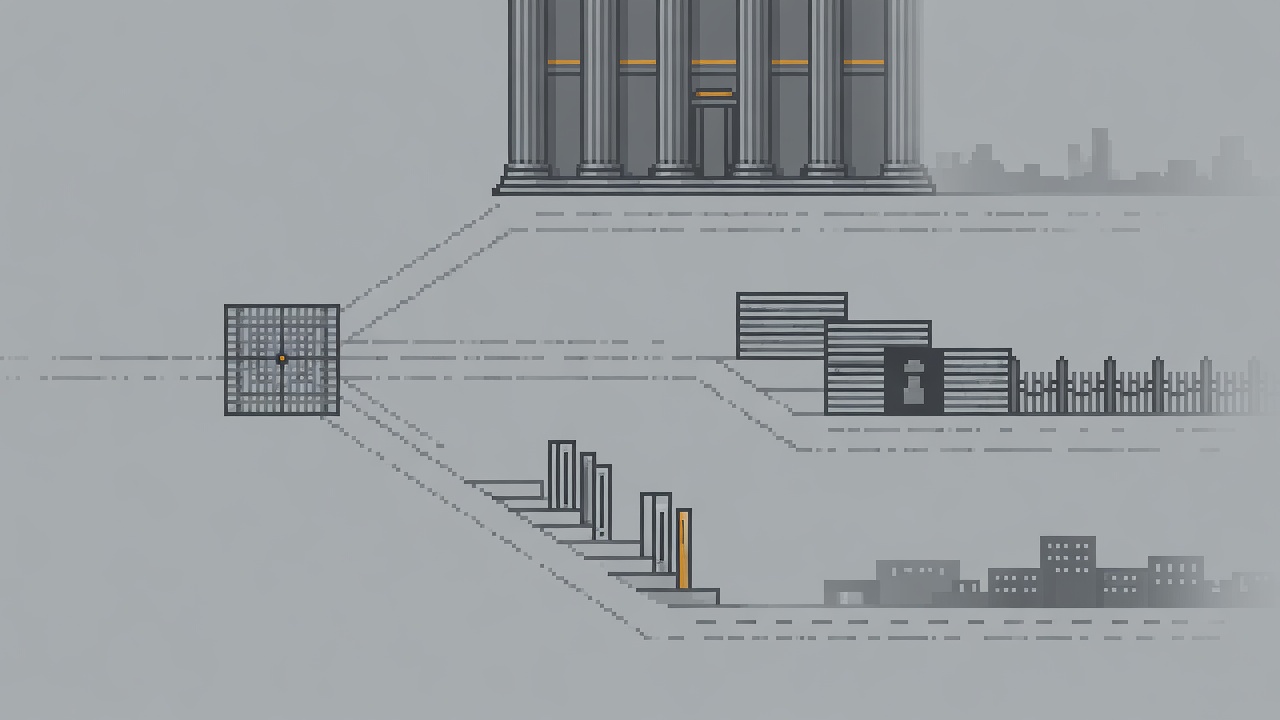
The consultation sets out three further steps beyond the 2027 early morning extension.
Phase one (not before 2029): Sunday and certain bank holiday settlement, running 01:30 to 18:00, a 16.5x6 model. Christmas Day, New Year's Day, and Easter Sunday would be excluded.
Phase two (not before 2031): Extension to 22 hours per day on weekdays and one full day at the weekend, likely Sunday, producing a 22x6 operating model.
Longer-term end-state: The Bank is consulting on two options: 22 hours per day, seven days a week (22x7), or near-continuous settlement with a short daily downtime (23.5x7).
Who is affected
The Bank explicitly invites responses from banks and building societies, retail payment system operators, other financial market infrastructures, potential synchronisation operators, stablecoin issuers, fintechs, technology providers, end-users, trade associations, and consumer groups. For most readers of this publication, the relevant categories are banks, building societies, retail payment system operators, and fintechs. Participation in RTGS is tiered: a small number of direct participants hold settlement accounts at the Bank, and indirect participants reach the rail through a sponsor. Extended hours will therefore carry different operational implications depending on whether a firm is a direct or indirect participant.
Firms that use prefunding, including those on Bacs, Faster Payments, and the cheque-based Image Clearing System, should note that extended hours could lower liquidity costs by allowing more frequent adjustments to prefunding account allocations. The Bank also notes that internal liquidity transfers between a participant's own RT2 accounts are currently available 19x7 and could be extended further, independently of any CHAPS settlement hour changes. The paper also notes that not every use case will require full CHAPS settlement; some firms may only need wider settlement windows for other payment systems or the ability to complete internal transfers in RT2.
The paper highlights the settlement risk reduction case for extended hours. Over the Easter weekend, the current gap between RTGS settlements runs from Thursday evening to Tuesday morning.
International context
The Bank cites international precedent to support the case for extension. Australia (retail), India, New Zealand, Sweden (retail), and Switzerland already operate full 24x7 settlement. The US Federal Reserve is moving to 22x6 from 2028.
Synchronisation Lab
Separately from the settlement hours consultation, the Bank launched a Synchronisation Lab in May 2026, selecting 18 organisations to experiment with conditional settlement of funds in RTGS against assets on external ledgers, including distributed ledger-based systems. Use cases include house purchases, collateral optimisation, Payment vs Payment for cross-border spot FX, and Delivery vs Payment for tokenised securities.
Action required
Responses are due by 10 August 2026 via an online survey. Questions may be directed to RTGSRoadmap@bankofengland.co.uk. The consultation paper includes no cost-benefit analysis or quantified compliance cost estimates for participants. The Bank has not indicated when it will publish its policy response.